
NYC Plumbing Renovations: Expert Kitchen & Bathroom Upgrades
October 8, 2025
How to Get Your Plumbers License in NYC: Complete 2026 Guide
February 11, 2026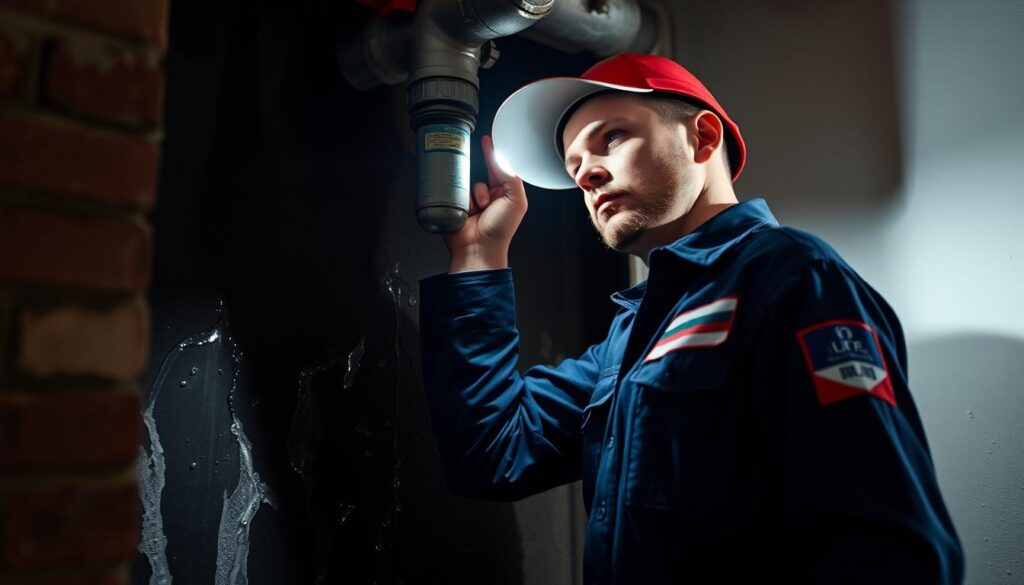
Quick Overview
This guide covers the most common winter plumbing problems in NYC, including frozen pipes, low water pressure, blocked drains, water heater trouble, and sewer line issues. It also explains simple steps for prevention, signs of damage, and when to call a plumber. The goal is to help homeowners and tenants protect their plumbing systems during cold weather.
- Main focus: Common Winter Plumbing Problems
- Key issues: Frozen pipes, burst pipes, drainage problems, water heater failures
- Includes prevention tips and maintenance advice
- Written for NYC homes, apartments, and buildings
Winter in New York City brings more than just cold weather. It also brings common winter plumbing problems that can cause severe damage if not dealt with early. Frozen pipes, low water pressure, and blocked drains are just a few of the issues that arise. In this guide, we will discuss these problems and offer tips on how to prevent them.
1. Frozen Pipes: How to Prevent & Deal with Them
Frozen pipes are a significant issue during winter in NYC. When temperatures drop, the water inside pipes can freeze, causing pipes to burst. This can lead to expensive repairs and water damage.
Prevention: Insulate pipes, especially those in cold areas like basements and attics. Keep the thermostat at a consistent temperature, even when you’re not home. Open cabinet doors under sinks to let warm air circulate through pipes.
What to do if pipes freeze: If you think a pipe has frozen, turn off the water supply right away. Use a hairdryer or space heater to thaw the pipe. If the pipe bursts, turn off the main water valve and call a plumber.
2. Pipe Damage: Cracks and Burst Pipes
Another common winter plumbing problem is pipe damage. When water freezes inside pipes, it expands and can cause cracks or even burst pipes. This can result in significant water leaks and flooding.
Causes: The pressure from frozen water inside pipes can cause cracks or breaks, especially in old pipes.
Signs of damage: Look for damp spots on the walls or floors. If water pressure drops or there’s water where it shouldn’t be, there could be damage to your pipes.
What to do: If you suspect pipe damage, shut off the water supply immediately. A professional plumber should fix the problem.
3. Water Pressure Issues: Why It Drops in Cold Weather
Low water pressure is another common winter plumbing issue. When pipes freeze or become blocked, the water flow slows down. This can make showers and sinks less functional.
How cold weather affects pressure: As temperatures drop, pipes can freeze. Frozen pipes block water flow and cause low pressure. Sometimes, pressure builds up and causes pipes to burst.
What to do: If you notice low water pressure, check for frozen pipes or leaks. If the problem is widespread, call a plumber to inspect the system and fix any issues.
4. Drainage Problems: Frozen and Blocked Drains
Frozen and blocked drains are a big issue during NYC winters. Ice can block pipes, leading to slow drainage or backups. This can cause water damage and unpleasant smells.
Freezing drains: Outdoor drains and pipes in unheated areas are especially at risk for freezing.
Prevention: Keep gutters and drains clear of debris. Insulate pipes that run outside to keep them from freezing.
What to do: If you have a blocked drain, avoid using boiling water to clear it. This can crack the pipe. Instead, use a space heater to thaw the drain. If that doesn’t work, call a plumber.
5. Water Heater Issues: Cold Showers and Malfunctions
Water heaters are used more in the winter, but they can also break down when you need them the most. Cold showers and inconsistent hot water are signs that the heater is having trouble.
How cold weather affects water heaters: The pipes leading to and from your water heater can freeze. This stops hot water from reaching your taps. Old water heaters are especially prone to malfunctions in winter.
What to do: Keep your water heater well-maintained by flushing the tank and checking the thermostat. If you have problems, call a plumber for repair or replacement.
6. Sewer Line Problems: Impact of Cold on Sewer Systems
Sewer lines are vulnerable to freezing in the winter. When the pipes freeze, waste can’t flow through, causing backups and foul smells.
Frozen sewer lines: Cold weather can freeze sewer pipes, especially those outside the house. If this happens, waste and water can’t flow properly.
Signs of problems: Slow-moving drains, bad smells, or backed-up toilets can indicate sewer line issues.
What to do: If you suspect a frozen sewer line, contact a plumber right away. Preventive maintenance, like insulating sewer pipes, can help avoid these issues.
7. Plumbing Inspections and Winterization Tips
The best way to avoid common winter plumbing problems is to have your system inspected before winter. A plumbing inspection can find weak spots in your pipes and prevent issues later.
Winterization: Insulate pipes, check for leaks, and seal any gaps where cold air can get in. A winter plumbing checkup will help keep your system running smoothly.
Why it’s essential: Regular inspections and maintenance can stop minor issues from turning into expensive repairs during the winter.
8. General Winter Plumbing Tips for NYC Homeowners
Here are a few simple tips to help protect your plumbing during NYC winters:
- Keep the heat on: Don’t turn off your heat during extreme cold. Even if you’re away, leave it on at a low temperature.
- Check for leaks: Inspect your plumbing regularly for leaks or cracks. This can help spot problems early.
- Let faucets drip: If the temperature drops, let a faucet drip slowly to prevent pipes from freezing.
- Hire a plumber: Call a plumber for routine maintenance or if you notice any plumbing issues.
Conclusion
Winter in NYC can bring many common winter plumbing problems that lead to expensive repairs if not dealt with early. By taking preventive measures and performing regular maintenance, you can keep your plumbing system running smoothly during the cold months. If you notice any signs of damage, don’t wait — call a professional plumber right away to avoid further issues.
If you’re dealing with common winter plumbing problems or want to prevent them before the temperature drops, reach out to a trusted plumbing service in NYC. A quick inspection can save you from costly repairs later. For frozen pipes, low water pressure, drain issues, or water heater troubles, contact a licensed plumber who can provide fast winter plumbing inspections or emergency repairs when you need them most.
FAQ
How can I prevent pipes from freezing?
To keep pipes from freezing, insulate any exposed pipes, keep your home warm, and let faucets drip on very cold nights. Opening cabinet doors under sinks also helps warm air reach the pipes. A winter plumbing checkup can spot trouble areas early.
What should I do if my water heater stops working in winter?
Start by checking the thermostat and the power supply. If the water heater still won’t heat up, there may be a frozen pipe or a worn part inside the unit. A plumber should inspect it to find the cause and get it running again.
Why does water pressure drop during winter?
Water pressure often drops when pipes freeze or when there’s a blockage caused by ice. It can also be a sign of a leak or a burst pipe. If pressure drops suddenly, it’s best to call a plumber right away.
How do I know if my sewer line is frozen?
Slow drains, bad smells, or toilets that won’t flush are common signs of a frozen sewer line. This problem needs quick attention, since backups can cause major damage.
Is it safe to thaw frozen pipes on my own?
You can try using a hairdryer or space heater, but never use open flames. If you’re unsure where the freeze is or worried the pipe might burst, it’s safer to call a plumber.
Ready to Upgrade Your Plumbing?
Contact Plumbing NYC for expert kitchen and bathroom plumbing renovations that save water and add value to your home!
Call Now: (646) 580-7524