
Sewer Line Repair & Replacement NYC
Slow drains in every fixture, sewage smell in the basement, or a backup you can't plunge away — a broken sewer line doesn't wait, and neither do we. Licensed NYC plumbers, trenchless options, upfront pricing.
📞 Call 646-580-7524 Get a Free QuoteSewer Line Repair & Replacement — At a Glance
| Service | Typical NYC Cost (2026) |
|---|---|
| Sewer line repair (spot repair, snaking, camera diagnosis) | $150 – $3,800 |
| Trenchless replacement (pipe bursting or CIPP lining) | $60 – $250 per linear foot |
| Traditional open-trench replacement | $50 – $200 per linear foot |
| Full lateral replacement, typical NYC home (40–75 ft) | $3,000 – $20,000 |
| Sewer camera inspection | $200 – $500 |
| Response time, all 5 boroughs | Under 30 minutes |
| Availability | 24/7 — 365 days |
Pricing ranges above reflect current NYC market data as of mid-2026; your exact cost depends on line length, depth, pipe material, and access. We give you an itemized quote before any work starts.
🔧 Repair
Spot repairs, root cutting, and clearing for lines that aren't fully collapsed. Often the fastest, least invasive fix.
🛠 Trenchless Replacement
Pipe bursting or CIPP lining replaces the line with minimal digging — the right call for most NYC properties.
🚧 Traditional Replacement
Full excavation when the line's condition, depth, or access rules out trenchless methods.
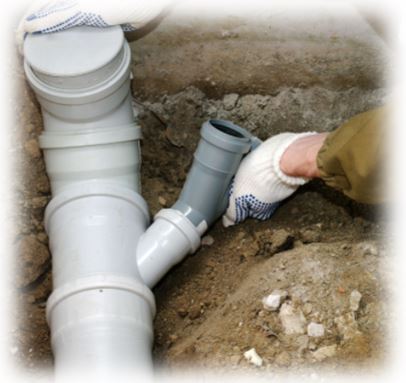
Who's Responsible for Your Sewer Line in NYC?
Here's the part most NYC homeowners don't know until something goes wrong: the property owner — not the city — is responsible for the sewer line running from the building to the point where it connects to the city main in the street. The NYC Department of Environmental Protection confirms this directly, noting that a sewer line break in New York City typically costs property owners $10,000 to $15,000 to repair — and that most homeowners insurance policies don't cover it.
That's exactly why getting an accurate diagnosis matters before you spend a dollar. A camera inspection tells us whether you're looking at a $200 repair or a $15,000 replacement — guessing wastes your money either way.
Why NYC Sewer Lines Fail Faster
Sewer lines in New York City take on more stress than lines in most other U.S. cities, and it shows up in the age of what we dig up.
- Old cast-iron and clay pipe. Manhattan and Brooklyn brownstones and pre-war buildings often still run on original clay or cast-iron lines from the early-to-mid 1900s — decades past their intended lifespan.
- Street tree roots. NYC's street trees are good for the block and bad for your lateral — roots find the smallest crack in a clay joint and grow straight through it, especially in Queens and Staten Island's more tree-lined blocks.
- Grease buildup. Grease poured down kitchen drains hardens inside the line over time; it's one of the most common causes of sewer backups citywide.
- Shared lateral lines in co-ops and multi-family buildings. One clog or break can affect every unit connected to that lateral, which is why co-op and condo boards often need documentation before authorizing work.
- Heavy rainfall and aging city infrastructure. During intense storms, NYC's sewer system can get overwhelmed faster than a well-maintained private lateral would be on its own, backing pressure up into older or already-compromised lines first.
Signs Your Sewer Line Is Broken
Catching a sewer line problem early is almost always cheaper than waiting for a full backup. Watch for these signs:
- Multiple drains backing up or draining slowly at the same time (not just one fixture)
- Sewage odor in the basement or near floor drains
- Gurgling sounds from toilets or drains when other fixtures run
- Mold, mildew, or unexplained damp patches on basement walls or floors
- A noticeably greener, lusher patch of lawn or sidewalk area (a sign of a leaking line feeding it)
- Cracks in the foundation or sinking areas in the yard near the line's path
- An increase in pests — especially cockroaches or rodents drawn to a below-grade leak
- Water pooling in the yard with no recent rain
If more than one of these shows up at once, that's a strong signal the problem is in the main line, not an isolated fixture. Call 646-580-7524 for a camera inspection before it becomes a full backup.
Trenchless vs. Traditional Replacement — Which Does Your Property Need?
Most NYC properties qualify for trenchless replacement, which avoids tearing up a yard, sidewalk, or driveway. Here's how the two methods compare.
| Factor | Trenchless (Pipe Bursting / CIPP Lining) | Traditional Open-Trench |
|---|---|---|
| NYC cost (per linear ft) | $60 – $250 | $50 – $200 |
| Digging required | Minimal — access pits only | Full trench along the line's path |
| Landscape/sidewalk restoration | Minimal to none | Often required — adds cost |
| Typical timeline | 1–2 days | 2–5 days, weather dependent |
| Best for | Most residential laterals with stable soil | Severely collapsed lines, major misalignment, very shallow lines |
| NYC permit required | Yes | Yes |
Our rule: we run a camera inspection first and recommend trenchless whenever the line's condition allows it — it's usually faster and less disruptive to your property. If the line is fully collapsed or misaligned, we'll tell you honestly why traditional excavation is the safer call.
Our Sewer Line Repair Process
-
Call or request a quote
Call 646-580-7524 or submit online. We respond in under 15 minutes and ask about symptoms, building type, and any recent backups.
-
Camera inspection and diagnosis
We run a sewer camera to locate the exact problem — root intrusion, a crack, a collapse, or a grease blockage — before recommending any fix.
-
Upfront quote
You get an itemized price for repair or replacement, trenchless vs. traditional, before we touch anything.
-
Permit and repair
We pull the required NYC permit and complete the repair or replacement — trenchless whenever the line's condition allows it.
-
Test and inspect
We re-run the camera to confirm the line is clear and flowing, and walk you through what to avoid flushing or draining going forward.
Sewer Line Service Across All 5 NYC Boroughs
We're familiar with the sewer infrastructure and building types specific to each borough — from pre-war Manhattan and Brooklyn buildings on original clay lines to Staten Island and Queens properties with more root-intrusion risk from mature street trees.
Manhattan
24/7 service — under 30 min
Brooklyn
24/7 service — under 30 min
Queens
24/7 service — under 30 min
The Bronx
24/7 service — under 30 min
Staten Island
24/7 service — under 30 min
Related Sewer & Drain Services
- Drain Cleaning NYC — for clogs that haven't reached the main line yet
- Pipe Upgrades, Replacement & Relining — trenchless relining beyond the sewer lateral
- Broken Water Main Repair — for water supply lines, not wastewater
- Root Intrusion: What You Need to Know — a closer look at NYC's most common sewer-line culprit
Frequently Asked Questions
Am I responsible for my sewer line, or is the city?
You are, for the section running from your building to the city main in the street. NYC DEP confirms property owners maintain their own water and sewer service lines, and that repairs typically aren't covered by homeowners insurance.
How much does sewer line replacement cost in NYC?
Trenchless replacement runs $60–$250 per linear foot; traditional open-trench runs $50–$200 per linear foot. A typical 40–75 ft residential lateral runs $3,000–$20,000 total depending on method, depth, and access.
Can my sewer line be fixed without digging up my yard?
In most cases, yes. Trenchless pipe bursting or CIPP lining replaces the line through small access pits instead of a full trench — we run a camera inspection first to confirm your line qualifies.
What are the first signs of a broken sewer line?
Multiple slow or backed-up drains at once, sewage odor, gurgling sounds, and basement dampness or mold are the earliest signs. One slow drain alone is usually a simpler, isolated clog — several at once points to the main line.
Do I need a permit for sewer line repair or replacement in NYC?
Yes — both repair and replacement of a sewer lateral require a permit in New York City. We pull it as part of every job.
Is a sewage backup an emergency?
Yes. Sewage backing into a home is a health hazard and, in multi-unit buildings, can affect other units fast. Stop using water in the building and call 646-580-7524 right away.
Call Plumbing NYC for Sewer Line Repair Today
Licensed, insured, and available 24/7 across Manhattan, Brooklyn, Queens, the Bronx, and Staten Island.
📞 Call 646-580-7524 Get a Free Quote Online