
Water Heater Installation Cost in NYC: 2026 Guide
May 9, 2026Kitchen Drain Clogged in NYC? Causes and Professional Fixes
June 9, 2026Your shower drains slowly. Your kitchen sink sits full for a minute before emptying. It keeps happening — and you keep wondering if it’s you or the building. Here’s the truth: NYC drains clog faster than drains in almost any other U.S. city. There are real, specific reasons why drains clog in NYC — and most of them have nothing to do with what you’re doing wrong.
In fact, understanding the causes is the fastest way to fix the problem — and prevent the next one. So let’s get into it.
Why Do NYC Drains Clog Faster Than Other Cities?
New York City has a plumbing problem that most other cities simply don’t face. However, it’s not a mystery — it comes down to three structural facts about this city.
First, the buildings are old. Manhattan, Brooklyn, and the Bronx are full of pre-war buildings constructed before 1940. Many of these buildings still have their original cast iron or galvanised steel drain pipes. Over decades, the rough interior surface of these materials accumulates layers of grease, soap, and mineral deposits. As a result, the pipe opening gets narrower every year — and clogs form much more easily.
Second, the density is extreme. In most NYC apartment buildings, every unit shares the same vertical drain stack. Therefore, the volume of daily waste flowing through one pipe is far higher than in a suburban single-family home. More volume means faster buildup.
Third, NYC water is harder than people think. New York City tap water contains moderate levels of calcium and magnesium. Consequently, these minerals deposit on the inside of pipe walls over months and years — narrowing the passage and giving grease and debris an easier surface to stick to. According to the NYC Department of Environmental Protection, the city’s water quality is excellent for drinking — but the mineral content still affects older plumbing systems over time.
The 6 Most Common Causes of Drain Clogs in NYC
So what’s actually going down your drain? Here are the six causes we see most often across Manhattan, Brooklyn, Queens, the Bronx, and Staten Island — in order of how frequently they come up.
🍳 Grease & Cooking Oil
Grease is the single most common cause of kitchen drain clogs in NYC. It goes down liquid and cools into a solid inside the pipe. Over weeks, moreover, it builds into a thick layer that narrows the drain. Never pour cooking oil down the sink — not even a little.
💇 Hair & Soap Scum
Hair wraps around anything it touches inside the pipe. Combined with soap residue, it forms a dense mat that catches everything else. As a result, bathroom sink and shower drains are the most frequently clogged in NYC apartments. A $5 hair catcher fixes most of this.
🧻 “Flushable” Wipes
They are not flushable. Wet wipes, baby wipes, and facial wipes do not break down in NYC’s sewer system. Furthermore, they bunch together and create blockages that even professional snaking struggles to clear. Only toilet paper should go down the toilet.
🌳 Tree Root Intrusion
This one surprises people. However, it’s extremely common in brownstones and townhouses across Brooklyn, Queens, and the Bronx. Tree roots follow moisture into tiny pipe cracks and grow inside the line. In addition, older clay and Orangeburg sewer pipes crack easily — giving roots a clear entry point.
🪨 Mineral Deposits
Hard water leaves calcium and magnesium inside pipe walls. Consequently, over years, these deposits narrow the pipe diameter significantly. This problem is worst in pre-war buildings where no one has cleaned the pipes in decades. Annual hydro jetting is the only fix that fully removes mineral buildup.
🍽 Food Scraps
Pasta, rice, coffee grounds, and fibrous vegetables expand in water and stick to pipe walls. Even with a garbage disposal, moreover, starchy foods cause stubborn blockages. Coffee grounds are especially problematic — they compact into a dense plug that resists snaking.
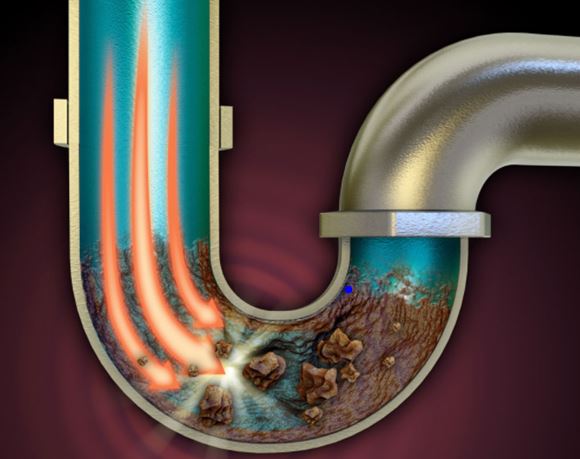
NYC drain clogs are often caused by decades of grease and mineral buildup in old pipes — not just a single incident. Professional cleaning removes the root cause.
Warning Signs Your NYC Drain Is About to Fully Block
A full blockage almost always gives you a warning first. However, most people ignore these signs until the drain stops completely — and by then, the fix costs significantly more. So watch for these signals now.
- Water drains slowly in sink, tub, or shower
- Gurgling sounds after you run the tap
- Bad smell coming up from the drain
- Water pools around the drain base
- Multiple drains slow at the same time
- The same clog keeps coming back
- Toilet water rises before draining
- More than 2 years since your last clean
⚠️ Multiple slow drains at once means a main sewer line problem — not individual clogs. This is more serious. In NYC apartment buildings, one blocked main line can back up into every unit on the riser. Call 646-580-7524 for same-day service.
Got a Slow Drain in NYC? We Fix It Today.
Same-day service across all 5 boroughs. Upfront pricing. Licensed and insured.
📞 646-580-7524How to Prevent Drain Clogs in Your NYC Apartment
The good news is that most NYC drain clogs are preventable. These six habits stop the most common causes before they become a problem — and they cost almost nothing to start today.
- Put a hair catcher in every shower and tub drain. This single step prevents the majority of bathroom clogs. Hair catchers cost under $5. Furthermore, they take about three seconds to clean each week. It is the highest-return habit on this list.
- Never pour grease or oil down the kitchen sink. Instead, let it cool and put it in the bin. Even small amounts of liquid oil solidify inside cold pipes and stick to the walls. Over time, therefore, this is how grease blockages form.
- Stop flushing wipes — even “flushable” ones. Only toilet paper belongs in your toilet. Wipes cause some of the worst blockages we see in NYC — particularly in the shared sewer stacks of pre-war apartment buildings in Manhattan and Brooklyn.
- Flush drains monthly with boiling water. Pour a full kettle slowly down your kitchen and bathroom drains once a month. Hot water dissolves grease and soap residue before it hardens. It’s simple, free, and surprisingly effective.
- Use enzyme drain cleaner — not chemical drain cleaner. Enzyme-based products break down organic buildup safely. However, chemical drain cleaners (bleach and caustic soda) corrode NYC’s older cast iron and PVC pipes over time. They also rarely clear the full clog — they just push it deeper.
- Schedule a professional drain cleaning once a year. Annual cleaning costs $100 to $250. It removes the mineral and grease buildup that home remedies simply cannot reach. Moreover, in older NYC buildings, it is the only way to stay ahead of pipe narrowing before it becomes a full blockage.
💡 Renting in NYC? If the slow drain is in a shared building system — like a main sewer stack — that’s your landlord’s responsibility. Notify them in writing by text or email. Under NYC housing law, landlords must maintain plumbing in good working order. Therefore, always document your report before calling a plumber yourself.
When to Stop DIY and Call a Licensed Plumber
Home remedies work for simple, recent clogs. However, they do not fix grease buildup, mineral deposits, or root intrusion. If your drain is slow despite your best efforts, or if the same clog keeps returning, it’s time to call a professional.
A licensed NYC plumber can snake the drain, hydro jet the pipe walls, or run a camera to find the exact cause. As a result, the fix lasts — instead of coming back in three months. Our drain cleaning service in NYC covers every drain type, every building type, and every borough — same day, with upfront pricing before we start.
Frequently Asked Questions
NYC drains clog faster because of three main factors: old pipes, hard water, and high-density living. Most NYC buildings have cast iron or galvanised drain pipes that are 50 to 100 years old. Their rough interior surfaces accumulate grease and mineral deposits faster than modern pipes. Furthermore, shared drain stacks in apartment buildings carry waste from dozens of units — meaning buildup accumulates faster than in a single-family home.
Grease and cooking oil are the most common cause of kitchen drain clogs in NYC. Hair and soap scum cause most bathroom clogs. However, “flushable” wipes are the fastest-growing cause of sewer blockages — they do not break down in NYC pipes and create dense blockages that require professional clearing. Tree root intrusion is also extremely common in Brooklyn, Queens, and the Bronx.
Use a hair catcher in every shower and tub. Never pour cooking grease or oil down the sink. Stop flushing wipes of any kind. Flush drains with boiling water monthly. Use enzyme drain cleaner rather than chemical products. Finally, schedule a professional drain cleaning once a year — particularly in older pre-war buildings in Manhattan, Brooklyn, and the Bronx where mineral buildup accumulates fast.
Once a year is the standard recommendation for most NYC apartments and homes. However, if your building is pre-war, you have a large household, or you’ve had recurring clogs, every 6 to 9 months is better. An annual professional clean costs $100 to $250 — far less than the $400 to $600 emergency call you’ll eventually face if you skip it.
Call Plumbing NYC — We Clear It Today
Now you know exactly why drains clog in NYC faster than anywhere else — and what to do about it. Old pipes, hard water, shared stacks, grease, and wipes. Start with the prevention habits. However, if the drain is already slow or blocked, don’t wait.
Plumbing NYC clears clogged drains across Manhattan, Brooklyn, Queens, the Bronx, and Staten Island every day. We arrive in under 30 minutes, give you an upfront price, and fix it in one visit. Call 646-580-7524 right now — we’re available 24/7.
24/7 Drain Cleaning — All 5 NYC Boroughs
Free quote. Upfront pricing. Under 30 minutes to your door.
646-580-7524